



Table of contents
SEO changes fast. Algorithms shift. Shopping habits evolve. But one thing stays constant: if your store doesn’t appear in Google search results, it won't sell.
So, what is SEO, really? This guide breaks down how search works today, why it matters for eCommerce, and how Printful sellers can use SEO to build consistent visibility, trust, and long-term growth – without shortcuts or jargon.
SEO definition, and why it’s crucial for your eCommerce business
SEO stands for search engine optimization – the art and science of making your online store visible on search engines like Google. When someone searches for a product, search engines crawl, index, and rank billions of pages to determine which results best match the query.
When you search online, the first results you often see – though not always – are sponsored. These are paid ads that appear at the top of the page. Below them are organic search results.
Unlike ads, these aren’t paid placements. They appear because search engines consider them the most relevant and useful answers.
For example, take the search term “Print on Demand” – a space where Printful is well known.
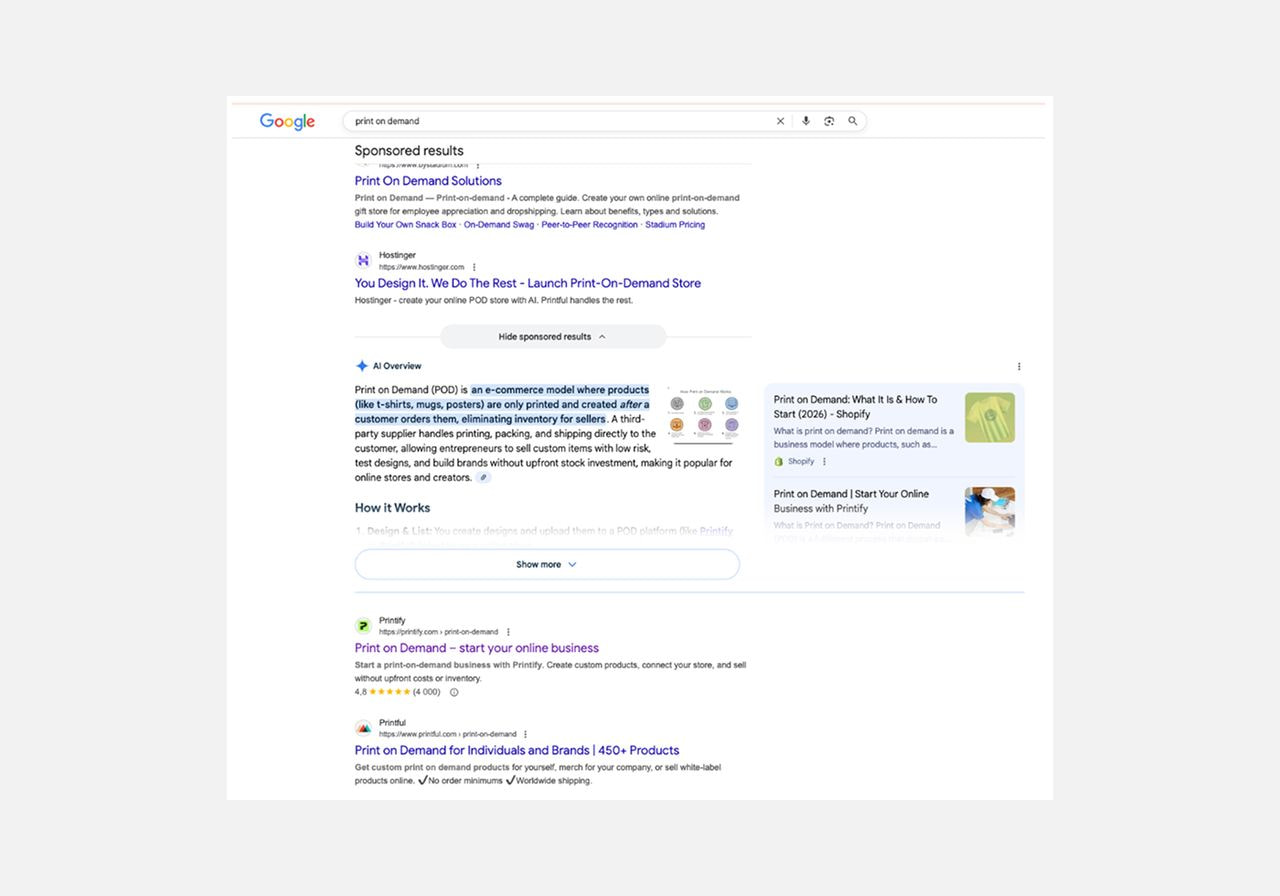
- At the top, you’ll typically see paid ads
-
Directly underneath, you’ll find companies like Printify and Printful in the organic results. These positions are earned through effective search engine optimization.
In short, SEO is the process of improving your website's visibility in these organic results.
Why does it matter?
-
Most people trust and click on organic listings more than ads
-
Higher rankings bring more organic traffic – visitors who are already interested in what you offer
-
Strong SEO helps you grow without relying solely on paid advertising
For eCommerce businesses, SEO is what helps you outlast ad budgets and build sustainable, long-term growth.
In short: Sponsored results are paid. Organic results are earned. Search engine optimization is how you win those unpaid spots – and bring steady, high-quality traffic to your store.
The essential SEO terms every beginner should know

To succeed with SEO, you need to understand the core terms and how they work together. These search engine basics will help you spot opportunities, avoid common mistakes, and confidently navigate search engine optimization.
Let’s break them down:
Search index
A search index is a massive database that Google and other search engines use to store details about web pages.
Here’s how it works:
-
Search engine crawlers (also known as bots or spiders) scan billions of pages across the internet
-
They collect text, images, and key data from each page
-
This information is stored in the search index – think of it as a digital library of the web
When you type a query into Google, it doesn’t scan the entire internet in real time. Instead, it searches its index to quickly find and rank the most relevant search results.
Why does this matter for your store?
-
If your pages aren’t indexed, they won't appear in organic search – no matter how good your content is
-
Making your site easy for crawlers to access is essential for any SEO strategy
For a deeper dive into how search engines discover and index content, see Google’s official guide on how Google Search works.
Keywords vs search queries
Keywords are the words and phrases you intentionally target on a page. For example, in this article, the main key phrase is “What is SEO” – this was your search query on Google, and how you found this article.
Search queries are what real people type or say into search engines during Google search.
For example:
-
Your product page targets the keyword “custom t-shirts”
-
A shopper searches “where to buy custom t-shirts online”
That difference matters.
Search engines don’t rank pages for keywords in isolation. They rank pages based on how well your content answers real search queries and meets user expectations.
Understanding this helps you:
-
Choose relevant keywords that reflect how people actually search
-
Align your pages with user needs and search intent
-
Improve visibility in search engine results pages (SERPs)
Good keyword research means thinking like your customers – not like an SEO tool. When your language mirrors how people search, your pages perform better in organic search and attract more qualified traffic.
Search intent
Search intent is the reason behind a user’s search. It reveals what they actually want – whether they’re looking to learn, compare, or buy.
For example:
-
“How to wash custom hoodies” → informational intent
-
“Buy custom hoodies online” → transactional intent
Understanding user intent is critical for eCommerce. If your hoodie care guide appears when someone is ready to buy, you risk losing the sale.
When your content matches intent, you’re far more likely to appear in top search results – and convert visitors into customers.
Aligning your pages with search intent:
-
Helps search engines understand the best page for each query
-
Improves your search engine rankings for those target keywords
-
Drives more qualified traffic and higher conversions
If your content matches what the shopper wants, you win – both in search results and with your customer.
Search volume and keyword difficulty
Search volume shows how many people search for a keyword each month. Higher volume can bring more organic search traffic – but it usually means more competition.
Keyword difficulty estimates how hard it will be to rank for a specific phrase. If you only target high-volume, high-difficulty terms, you’ll be competing with established brands.
Choosing target keywords with the right mix of volume and difficulty helps you build momentum for your SEO strategy – without getting buried by bigger players.
E-E-A-T
E-E-A-T stands for experience, expertise, authoritativeness, and trustworthiness. Google uses these as core ranking factors to judge content quality and set search engine rankings.
For eCommerce and digital marketing, E-E-A-T is practical. It shapes how web and search engines evaluate your store.
-
Show experience with product tutorials, demos, or real customer reviews
-
Highlight expertise with detailed, helpful content
-
Build authority by earning mentions from respected sources
-
Prove trustworthiness with clear return policies, secure checkout, and accessible support
Using structured data can also help search engines better understand your content and reinforce these signals.
A solid E-E-A-T foundation is essential for any SEO strategy. The better you demonstrate these qualities, the stronger your chance to earn top results and customer trust.
Topical authority
Topical authority means your site is seen by search engines as a leading resource on a specific subject. You build it by creating deep, well-structured content around a topic.
Instead of a single page on “custom t-shirts,”create a content cluster:
-
A core guide to custom t-shirts
-
Supporting pages on materials, design tips, care, and printing methods
-
Blog posts on trends, comparisons, and customer stories
-
A comprehensive FAQ page
Connect these pages with internal links so users and search engines can navigate easily.
Over time, this signals that your site covers the topic in depth – helping you rank for a wider range of keywords, including long-tail searches.
Consistent coverage + clear structure + smart linking = strong topical authority.


Keyword cannibalization
Keyword cannibalization happens when multiple pages target the same keyword, causing them to compete against each other in search results.
For example, publishing several posts about “how to design a custom mug” can split your authority. Instead of one strong page ranking well, multiple pages may rank lower.
How to avoid it:
-
Plan your keyword strategy in advance
-
Assign one primary keyword per page
-
Use internal links to support your main content
-
Audit regularly and merge, redirect, or update overlapping pages
For instance, if you have several product pages all optimized for “custom t-shirt,” but only minor differences, combine them into one authoritative page, or clearly differentiate the focus (like “custom t-shirts for sports teams” vs “custom t-shirts for events”).
By organizing your content with intention, you make it easier for search engines to identify the best match for each query. This approach maximizes your search engine rankings and prevents your own content from holding itself back.
Backlinks and link building
Backlinks are links from other relevant websites to your pages – this could be your homepage, a key product, a detailed guide, or a blog post. Each high-quality backlink acts as a signal of credibility.
Link building is the process of earning these links – and it’s essential for increasing your site’s authority.
Sites with stronger authority are trusted more by Google and are more likely to earn top spots in search results. You can check your site’s authority and backlink profile with tools like Ahrefs Website Authority Checker.
For example, Printful’s guide to Google Analytics has a domain rating of 88, with over 743,000 backlinks from 20,000 different sites – clear proof of a healthy, authoritative profile.
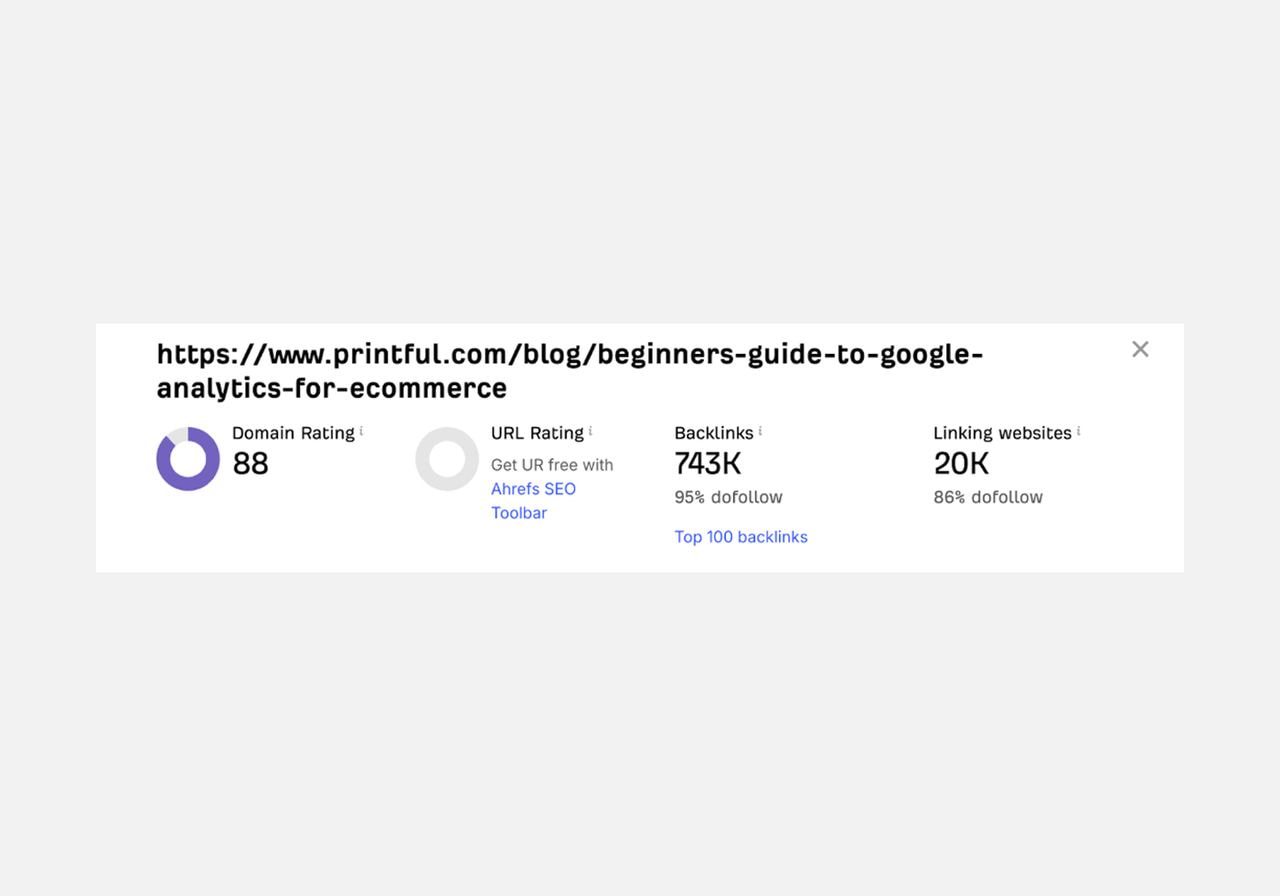
Source: Ahrefs Website authority checker
To build strong backlinks:
-
Create valuable content people want to reference
-
Earn links from relevant, reputable websites
-
Strengthen your internal linking structure
-
Use SEO tools to monitor your backlink profile
A well-optimized page includes both internal and external links, creating a strong network of relevance and trust.
Google also recommends managing your social media links as part of a well-rounded authority strategy.
Effective link building isn’t about collecting as many links as possible but about earning meaningful endorsements and sending clear authority signals to search engines. This is what gives your site the credibility to compete for the top of the results page.
Meta tags and OG images
Meta tags are snippets of code in your website’s HTML that tell search engines what each page is about. The most important are:
-
Title tag
-
Meta description
These appear in search results and directly influence whether users click your page.
On social media, OG (Open Graph) images control what appears when someone shares your link. A strong OG image makes your post stand out and encourages more shares and engagement.
Best practices:
-
Write clear, keyword-focused title tags
-
Craft compelling, unique meta descriptions
-
Add branded OG images to key pages
-
Preview how your pages appear in search and on social platforms
Optimizing these elements improves both visibility and click-through rates.
Image tags and alt text
Alt text (alternative text) is a short description added to images. It helps search engine crawlers and screen readers understand visuals and improves accessibility for screen readers.
Best practices:
-
Add descriptive alt text to every image
-
Use relevant keywords naturally – avoid keyword stuffing
-
Ensure descriptions are clear for both people and search engines
-
Keep alt text under 125 characters for optimal screen reader compatibility
Good alt text helps your images appear in search and delivers a better experience for every visitor. It’s an easy, high-impact step toward complete page SEO and supports your site’s SEO success on all fronts.
eCommerce SEO tips: Your guide to best practices

Every successful store relies on more than luck. Real results in search engine marketing require a marketing strategy grounded in best practices.
That means knowing what on-page SEO is, understanding technical aspects like site structure, and making your store stand out in search engines.
In this section, you’ll find the most important eCommerce SEO tactics – broken down with examples, tools, and actionable steps to boost your search visibility and raise your search rankings.
Effective keyword research and how to do it
Keyword research is the foundation of all SEO. Choose the right keyword phrases, and you attract the right buyers. Choose poorly, and you get lost in the competition or attract the wrong audience.
Steps for effective keyword research:
-
Start by brainstorming product-specific keywords – think like your buyer
-
Use tools like Semrush, Moz Keyword Explorer, or Ahrefs to find new ideas and evaluate search volume and competition
-
Check your data in Google Search Console to see which queries are already bringing traffic
-
Aim for a balance: solid search volume, realistic difficulty, and clear purchase intent
-
If you run a local business, include location-based keywords to capture local SEO opportunities
Example:
If you sell custom mugs, don’t just focus on “custom mug.” Expand with related keyword phrases like “photo mugs,” “personalized gifts,” or “printed mugs for teachers.”
This broader approach helps you appear in more search engine results and attract motivated buyers.
When you target a mix of specific and broad keywords, you cover more ground and give yourself multiple paths to higher search rankings.
Read more: Trending products to sell
Optimize product listings for better visibility
To win in search engine marketing, every product listing should be crafted for both shoppers and search engines like Google.
Smart optimization helps your items rank higher in the search engine results – making them easier for buyers to find and click.
Craft compelling product titles:
-
Place your main keyword phrases up front
Example: “Custom Photo Mug – Personalized Gift for Teachers.”
-
Keep titles clear, direct, and relevant
-
Avoid keyword stuffing – write for humans first
Write unique, detailed product descriptions:
-
Focus on benefits and key details – size, material, personalization options, and use cases
-
Include supporting keywords naturally
-
Keep every description original – duplicate content can hurt search rankings
Technical aspects to watch:
-
Use clean, keyword-rich URLs
-
Add rich structured data (using schema markup) so Google can display price, availability, and ratings directly in results
-
Include high-quality images with descriptive alt text for better search visibility
Example:
A Printful seller listing a custom embroidered hoodie could write:
-
Title: “Custom Embroidered Hoodie – Your Text or Logo – Unisex Premium Sweatshirt”
-
Description: “Create a one-of-a-kind embroidered hoodie. Choose your color, add your logo or message, and enjoy premium quality and comfort. Ideal for teams, gifts, or personal style. Available in multiple sizes. Fast worldwide shipping.”
Tools to use:
-
Use your eCommerce platform’s SEO fields
-
Google’s Rich Results Test for structured data
-
Printful’s marketplace SEO guides (Etsy, Amazon, eBay)
Well-optimized listings improve your site structure and increase your chances of showing up for valuable searches in both Google and marketplace search.
Create both SEO and user-friendly content
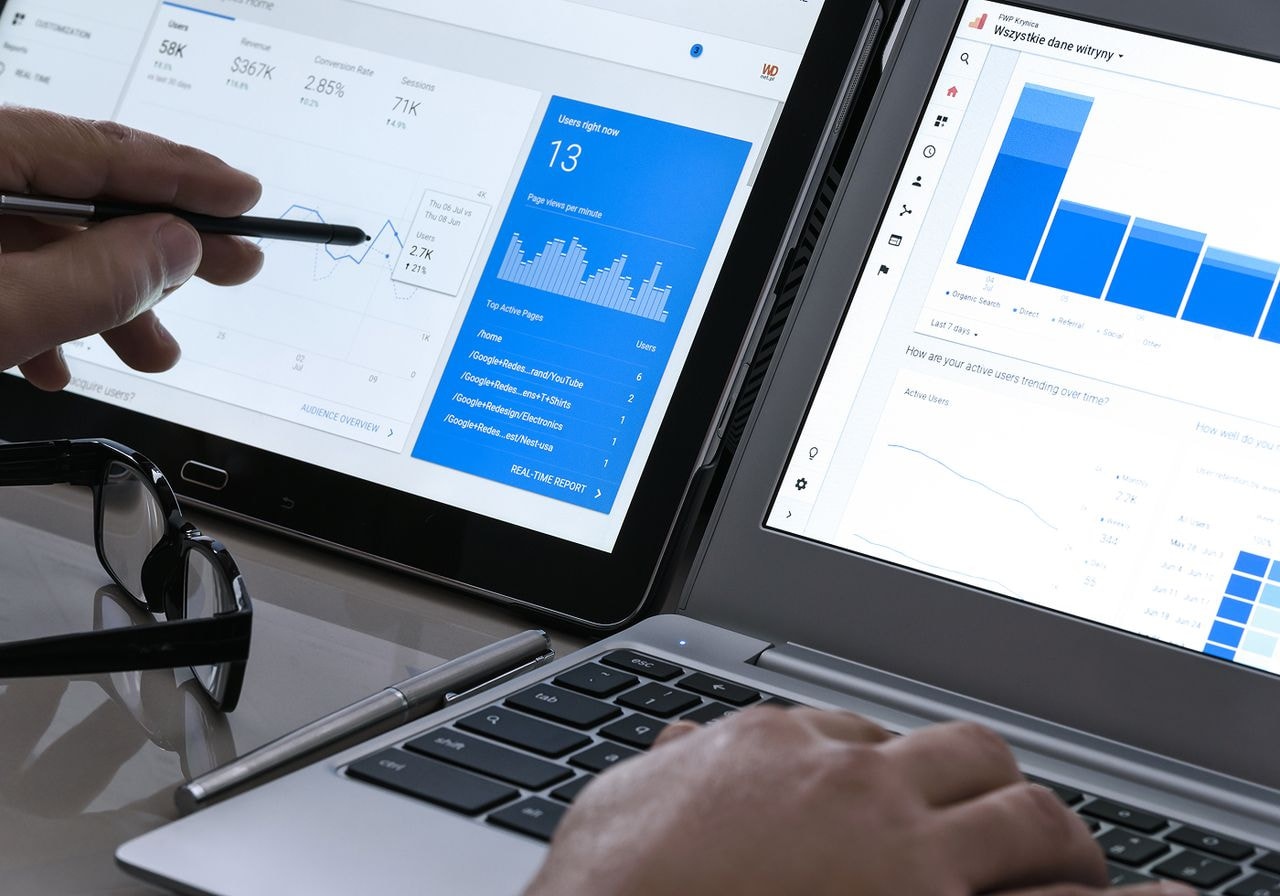
The best eCommerce sites balance on-page SEO with practical, user-focused content. Your goal is to satisfy both search engines and real shoppers – maximizing search visibility while building trust.
On-page SEO includes everything you optimize on your own site:
-
Content, titles, and images
-
Site structure and internal links
-
Technical elements like page speed and structured data
Off-page SEO focuses on building authority outside your site:
-
Earning backlinks from relevant websites
-
Building a strong social presence
-
Gaining mentions, reviews, and third-party trust signals
Why are keywords in titles important for SEO?
Keyword phrases in your page and product titles help Google search quickly identify what each page is about.
Clear, keyword-driven titles also catch buyers’ attention in the search engine results.
What’s the optimal content length for ranking?
There’s no fixed word count, but comprehensive content tends to perform better. Focus on fully covering the topic, answering common questions, and addressing buyer concerns.
A good benchmark: review top-ranking pages and match their depth – while improving clarity and structure.
How should you handle image file names and alt text?
-
Use descriptive file names (e.g., “custom-embroidered-hoodie-navy.png” instead of “IMG_1234.png”)
-
Add clear, keyword-relevant alt text to every image
-
Keep it natural – optimize for both accessibility and search visibility
How can you avoid keyword cannibalization?
-
Assign a unique primary keyword to each important page
-
Use internal links to clarify the focus of supporting pages
-
Audit your site for overlaps and merge or redirect content when necessary
What are the mobile-first indexing best practices?
-
Use responsive design across all devices
-
Ensure buttons and navigation are easy to use on mobile
-
Optimize for fast loading – page speed is a core ranking factor
What UX factors matter beyond page speed?
-
Clear navigation and logical site structure
-
Simple, fast checkout with transparent pricing
-
Accessible design for all users
How does internal linking improve SEO?
Use descriptive anchor text to link related products, guides, and FAQs. This helps search engines understand your site structure and keeps visitors exploring your site.
Example:
A Printful seller could write a blog post titled:
“The Ultimate Guide to Custom Hoodies: Design, Fabric, and Printing Methods”
This type of content:
-
Answers common customer questions
-
Covers the topic in depth
-
Links to relevant product pages and FAQs
The result? Better rankings, stronger authority, and a smoother path from discovery to purchase.
Promote your site for SEO benefits
Ranking in organic results takes more than great content. Strategic promotion increases your online visibility and supports your broader SEO strategy.
Does social media engagement affect SEO directly?
Social media signals – likes, shares, comments – don’t directly impact Google’s rankings. However, strong engagement can:
-
Increase brand awareness
-
Drive more traffic to your site
-
Lead to backlinks, mentions, and wider exposure
These indirect benefits help your site earn more organic results and improve search experience optimization.
How do you build quality backlinks (without being spammy)?
-
Create helpful, original content others want to reference
-
Contribute guest posts or interviews on trusted websites
-
Build genuine relationships within your niche
-
Avoid buying links or using low-quality link schemes
Focus on earning links from real, respected sites – this increases online visibility and builds long-term credibility with search engines.
Understanding Google’s latest algorithm updates
Google continuously updates how search engines work and what matters most for rankings. Staying informed is essential for maintaining strong technical SEO performance.
What are Google’s Core Web Vitals, and why do they matter for your store?
Core Web Vitals are metrics that measure user experience on your site – such as loading speed, responsiveness, and visual stability. Better scores lead to happier visitors and can improve your visibility in search.
Key metrics:
-
LCP (Largest Contentful Paint): How quickly the main content loads
-
FID/INP (First Input Delay/Interaction to Next Paint): How fast the site reacts to user actions
-
CLS (Cumulative Layout Shift): How stable the page layout is while loading
Poor performance on these metrics can lower rankings. Use tools like Google PageSpeed Insights to monitor and improve scores.
How does E-E-A-T influence content quality and rankings?
E-E-A-T sets the standard for what search engines generate as top results.
High-quality content, credible authorship, and clear trust signals help you win visibility – even against big competitors.
For eCommerce, keeping up with Google’s changes in technical SEO and focusing on local SEO factors will keep your store competitive as search evolves.
Leveraging schema markup for enhanced visibility
Schema markup is a type of structured data – code added to your web pages that helps search engines work smarter. When implemented correctly, it makes it easier for Google and other engines to read, categorize, and present your content. The result is enhanced listings in the search results, called rich snippets.
How does schema create rich snippets?
Rich snippets show extra details right in the search results –such as star ratings, prices, availability, or review counts.
These enhancements:
-
Make your listings more eye-catching
-
Increase click-through rates
-
Help your products stand out in competitive results
For eCommerce stores, this is a valuable technical SEO edge.
Which schema types are relevant for eCommerce products?
-
Product schema: Displays price, brand, availability, and reviews
-
Review schema: Highlights ratings and written feedback
-
Breadcrumb schema: Shows shoppers where they are within your site structure
-
FAQ schema: Surfaces common questions and answers directly in search
Adding schema is now one of the most important ranking factors for eCommerce, as Google and other engines increasingly rely on structured data to decide what gets featured.
Use Google’s Rich Results Test to check your implementation and ensure every important page is optimized.
When you leverage schema effectively, you move beyond basic listings – giving your store a visible, competitive edge.
Adapting to AI-powered search and voice search

The rise of AI in search is changing how web pages are ranked, understood, and discovered. Google’s AI systems – like AI Overviews (formerly SGE), RankBrain, BERT, and MUM – analyze language, context, and user behavior to deliver smarter results.
For eCommerce, this means technical SEO is more important than ever, as search engines focus on user intent, topic relevance, and content depth.
What’s the real impact?
AI-powered algorithms better understand natural language and complex questions. They reward clear, well-structured content that addresses specific needs. As a result, you need to optimize your site for both classic queries and conversational searches.
How do you optimize for voice search and conversational SEO
-
Write in a natural, question-driven style – think of how people talk, not just what they type
-
Use FAQ sections and headings that answer real questions directly
-
Focus on mobile usability, since most voice searches happen on mobile devices
-
Speed up your site, as fast-loading pages are favored by both AI and users
-
Target long-tail keywords and phrases that reflect how people speak
Strong technical SEO helps search engines process your content accurately, increasing your share of organic traffic from both traditional and AI-powered results.
By adapting now, your store stays ahead as search evolves.
Affordable SEO tools for eCommerce beginners
The right tools make search engine optimization simpler and more effective. For eCommerce beginners, a mix of free and low-cost tools covers everything from content creation to off-page optimization, social media marketing, and domain authority monitoring.
Here’s how to get started:
Which SEO tools can help your eCommerce business grow?
-
Google Search Console: Essential for tracking search results performance, fixing errors, and understanding what keywords bring users to your store.
-
Google Analytics 4 (GA4): Offers deep insights into customer behavior, traffic sources, and conversions.
-
PageSpeed Insights: Tests your site’s speed and mobile usability, both of which are vital for ranking and customer experience.
-
Screaming Frog SEO Spider: Crawls your entire site to find broken links, duplicate content, missing tags, and technical issues.
-
Semrush: An all-in-one platform for keyword research, site audits, competitor analysis, and tracking your digital marketing campaigns.
-
MozBar: A browser extension that instantly shows page metrics, link data, and domain authority – helpful for everyday link-building and competitor checks.
Bonus resources:
-
For more specialized strategies, check the LinkBuilder.io eCommerce link-building guide and Stellar SEO link-building tips.
-
To visualize data, Visme’s infographic tool can make your reports and research more shareable.
With these tools and resources, you can cover every angle of search engine optimization and set your store up for long-term growth.
How to use Google Analytics 4 (GA4) for insights?
Set up GA4 to see which product pages drive the most visits and conversions. Check which channels (organic, paid, social media marketing) bring in the highest value customers. Use this data to guide your content creation and future campaigns.
What is Google Search Console used for?
Monitor your appearance in search results, spot indexing problems, and track your site’s health. Google Search Console alerts you to errors that affect ranking and gives you data for smarter search engine optimization decisions.
How does PageSpeed Insights help?
Test your site on both desktop and mobile. The tool highlights slow-loading pages and technical fixes needed for a better user experience – a direct ranking factor in search.
Why use Screaming Frog for site audits?
Find issues that block crawlers, slow your site, or hurt your off-page optimization efforts. Screaming Frog makes technical fixes faster and more manageable for stores of any size.
How can Semrush assist with keyword research and auditing?
Discover high-value keywords, monitor your rankings, and spot competitor weaknesses. Semrush also tracks your backlink profile and alerts you to any issues affecting your domain authority.
What is MozBar, and how does it help with link building?
Easily check the authority of any site or page before reaching out for a backlink. MozBar highlights potential link partners and lets you review their domain authority in real time.
Using these tools helps you build a smarter, data-driven SEO plan – boosting both content creation and your store’s presence in the search results.
Start optimizing your online store
Ready to move your business up the rankings? Every step you take – from technical fixes to smarter content creation and ongoing off-page optimization – makes your store more competitive in the search results.
Use the tools and strategies in this guide to improve your visibility, build domain authority, and grow real, lasting organic traffic.
SEO is ongoing, but every improvement sets you up for better results, more sales, and a stronger brand online.
Frequently asked questions
SEO marketing is about making your store visible in search – bringing in buyers through unpaid results. For online shops, it means optimizing product pages, using smart on-page SEO, building high-quality links, and keeping content updated.
If you want a step-by-step process, Printful’s eCommerce SEO guide is a good place to start.
Mobile optimization is essential. Search engines prioritize mobile-friendly sites, and most shoppers use their phones.
A responsive design, fast loading times, and simple navigation help your store perform well in both rankings and conversions. Mobile readiness also supports local SEO for buyers searching nearby.
On-page SEO covers everything you control on your website – content, titles, image tags, and internal links.
Off-page SEO focuses on factors outside your site, such as backlinks, mentions in Google News, and social signals. Both are needed for complete search marketing.
Review your SEO strategy quarterly, or whenever Google releases major updates. Use tools to find broken links, monitor site performance, and check for new opportunities.
Ongoing updates help you stay ahead of trends and keep your rankings strong – even as competition grows or enterprise SEO strategies change.
Yes – small businesses can compete by focusing on niche topics, local markets, and unique expertise. Use in-depth guides, video SEO, and regular content to build authority.
Smaller brands often adapt faster and connect better with specific audiences, giving them an edge against bigger, slower-moving companies.

Zane is a sharp-witted writer with a deep interest in eCommerce, branding, and creative entrepreneurship. With a knack for blending humor, insight, and no-nonsense advice, she crafts engaging content that helps merchants learn and businesses grow. When she’s not dissecting industry trends, she's exploring philosophy, music, and the perfect balance between solitude and connection.

