


Table of contents
If you’re figuring out how to start a clothing brand, know that it takes more than a good graphic. You also need an audience, a production model, pricing, samples, a sales channel, and a plan to get the first products in front of buyers.
This guide is for first-time founders who want a realistic path from concept to first launch. You’ll also see how Print on Demand (POD) lets you launch small and test design ideas before you commit to full-scale production.
Starting your own clothing brand: 3 Things to get right first
Before you build a full collection, focus on three things:
-
Audience – know who’ll wear the product and what they already buy
-
Product – start with one hero product that represents the brand instead of releasing everything at once
-
Validation – order a sample, build an audience, and test demand before putting a lot of money into stock
For new brands, this creates a lower-risk path from concept to actual sales. Your first order is a reality check: it shows what people will actually pay for.
The 10 steps below turn these three priorities into a practical launch plan on how to start your own clothing brand – from defining your audience and production model to testing, marketing, and selling your products.
1. Decide on your target market
Your target market is the group of people most likely to buy your products. Understanding these buyers helps you create a strong brand identity and tailor your clothing business to their needs.
A great example of a business with a clear target market is Alba Paris. Their products promote a cruelty-free, vegan lifestyle, and their target audience shares similar values.
To figure out the audience for your own custom clothing brand, use the questions below. You don’t have to answer every question in detail; adjust them later when you learn more about your customers.
-
Location: Are they local or international customers?
-
Demographics: How old are they? What’s their gender, job, or income level?
-
Psychographics: What are their values? What are their hobbies and lifestyle? What are their personality traits?
-
Market trends: What kind of trends do they follow?
-
Buying habits: How much do they spend on clothes a year? Are they loyal to one brand or more? What kind of stores do they currently buy from?
Go one step further and look for a gap between what people want and what existing sellers offer. For example, your audience might be women looking for activewear in overlooked sizes, fans of a specific subculture, or people searching for a particular fit or aesthetic.
You don’t need a research budget to get answers on how to start a clothing brand online. Run a quick survey, check who follows your competitors on social media, or read comments and reviews.
Use Google Trends to compare search behavior, Meta Ad Library to inspect competitor ads, and Reddit, TikTok, Instagram, and product reviews to collect recurring complaints and requests.
Take an analytical approach: repeated comments about fit, price, fabric, or missing styles are stronger signals than one viral post.
As your brand grows, you’ll refine your answers based on real data and customer feedback.
2. Decide on your business model
A business model is how your fashion brand makes money and delivers value. It covers what you’ll sell, how you’ll market it, and how you’ll handle logistics and finances.
Below are the four most common models for a clothing business, each with different costs, risks, and levels of control.
Use this table as a quick comparison before choosing:
|
Model |
Upfront commitment |
Inventory |
Control |
Best use |
|
Print on Demand |
Low |
No finished inventory required |
Medium |
Testing products and launching quickly |
|
Dropshipping |
Low |
Usually none |
Low |
Selling existing products without handling fulfillment |
|
Bulk manufacturing |
High |
Yes |
High |
Established demand and larger runs |
|
In-house |
Medium to high |
Depends on setup |
Very high |
Founders with production skills and equipment |
Print on Demand
Print on Demand (POD) is the closest answer to how to start a clothing brand with no money for inventory. Products are only made when someone orders, so you don’t have to worry about upfront costs or leftover inventory. It’s especially useful for testing new ideas or catering to niche audiences.
With a provider like Printful, you get all the benefits of POD, plus high-quality products, global shipping, and easy integration with your online store.
Printful has shipped 144M items since 2013 and over 1M items fulfilled monthly. Our POD setup lets founders create products, connect a store, and order samples without buying finished inventory first.
Pros:
-
No need to buy or store inventory
-
Low upfront investment
-
Easy to test new designs and target niche markets
-
White-label products let you build your own clothing brand
-
Great for custom and personalized clothing
-
Supports small orders and individual sales without committing to a bulk run
-
Makes it easier to test a hero product before you expand
Cons:
-
Lower profit margins compared to bulk orders
-
Less control over shipping times and the production process
-
Per-item costs are higher than large-volume production
Dropshipping
Dropshipping is another way to start a clothing company. Here, a third party handles inventory and shipping, reducing your upfront costs and saving time. It’s beginner-friendly but often involves more competition since many sellers offer the same products.
The difference is that POD products carry your own designs, so you’re not selling the same items as hundreds of other stores. Dropshipping, on the other hand, offers ready-made products with little to no customization.
Use the time and money saved on in-house production to build your eCommerce store, run marketing campaigns, and grow your brand.
Pros:
-
Low startup costs and no need for inventory
-
Easy to scale and reach global customers
-
Perfect for testing new products or launching fast
Cons:
-
Higher competition with non-exclusive products
-
Less control over shipping times and product quality
-
Lower profit margins compared to bulk production


Manufacturing in bulk
Bulk manufacturing means producing your clothing line in large quantities, typically through a wholesale clothing manufacturer. This model lowers your cost per item but requires upfront investment and storage space.
Minimum order quantities vary widely by product and factory, so don’t assume every supplier requires the same number of pieces. Request the MOQ, price tiers, lead time, and sampling terms from each factory you consider.
Traditional custom production also takes longer than POD – around 4-8 months from concept through sampling and bulk delivery for a new custom collection. However, the actual timeline depends on complexity, sourcing, revisions, and the factory.
POD removes many of those development stages because you start with existing blanks.
How to work with a factory: A good factory relationship starts with precise instructions. Before contacting a factory, prepare your tech pack, size chart, reference images, artwork, and desired fabrics.
Ask each factory about:
-
MOQ: How many units must you order per color and style?
-
Fabrics: Which weights, compositions, colors, and finishes can the factory source?
-
Measurements: Which garment dimensions and tolerances does the factory need?
-
Sampling: What does each sample cost, and how many revision rounds does the factory allow?
-
Lead time: How long will the factory need for sampling and bulk production?
-
Branding: Can the factory add labels, hang tags, embroidery, printing, and custom packaging?
-
Payment: What deposit does the factory require before work begins?
-
Inspection: What happens if finished pieces arrive with incorrect measurements or construction problems?
Never approve bulk production from a digital mockup alone. Order a sample from the factory and check the actual garment, fit, stitching, print or embroidery, color, and fabrics first.
If something looks wrong, send annotated photos and exact corrections to the factory. Repeat the sample stage until you know what the final run should look like.
Pros:
-
Lower cost per item compared to POD
-
More control over materials, fit, and quality
-
Good for scaling up with your bestsellers
Cons:
-
High upfront investment
-
Risk of unsold inventory
-
Slow time to market
-
Not ideal for testing new ideas or small collections
Running operations in-house
In this fashion business model, you manage the entire production of your apparel business on your own, from sewing to shipping. When creating clothing yourself, your output and quality depend on your time, skills, and equipment.
While this type of clothing business requires more effort and upfront costs, it gives you full creative freedom to bring unique, handmade clothing designs to life.
Pros:
-
Complete control over design and quality
-
Unique, handmade products
-
Great for building a strong brand identity
Cons:
-
Time-consuming and labor-intensive
-
Harder to scale without hiring extra help
-
Higher initial investment
3. Create a clothing business plan
Whether you’re a small business or a successful fashion brand, a business plan is essential.
A well-crafted business plan includes everything from describing your product to who you’ll sell it to and how you’ll make a profit. It also serves as your blueprint if you’re looking for business partners or investors.
Your clothing brand business plan should answer these questions before the launch:
-
Who will buy the products?
-
What will you sell first?
-
How will you produce and fulfill each order?
-
Where will people find you?
-
How much must each sale generate to cover expenses?
-
What will tell you that it’s time to scale?
Market research
Before you start a clothing business, research the market. Explore your niche, understand customer preferences, and look up what other clothing brands are doing.
Look beyond aesthetics. Compare prices, materials, reviews, delivery promises, product ranges, and recurring complaints. The point is to identify a real difference your products can offer. Slapping a new logo on the same styles won’t cut it.
Business structure
Choose the right legal structure for your clothing business early. It affects your startup costs, taxes, liability, and decision-making process.
Most new businesses choose among a sole proprietorship, LLC, or corporation, depending on team size, growth plans, and how they’ll manage risk.
In the US, you’ll also want to register your business with your state, get a free EIN (Employer Identification Number) from the IRS, and check whether your state requires a sales tax permit. Rules vary by state, so check your state’s official business portal or talk to an accountant.
If you’re working with partners, define who controls what, who signs contracts, and how profits are split. These decisions shape your daily operations and long-term strategy.
Your products or services
What makes your products different? It could be original designs, better quality, or solutions to specific customer needs.
For a first launch, resist the urge to offer a huge range. A small assortment makes it easier to see which product, color, or design actually drives demand.
Financing
Consider how you’ll finance your clothing line. Will you use savings, take out a loan, or find support from investors? Your costs go beyond making the clothes; you’ll also pay for marketing and online store setup.
Include basic financial projections – pricing, revenue, and how long it’ll take to break even.
Sales channels
Decide where you’ll sell: through your own online store, a marketplace, a boutique, or a mix. Each sales channel attracts different potential customers and impacts your startup costs, branding, and logistics.
Pricing strategy
Set prices that cover your costs and reflect your brand’s value.
Add up product cost, fulfillment, shipping, transaction fees, returns, discounts, and marketing spend before deciding what you can realistically afford to charge.
Apparel retailers commonly target wholesale margins around 30%-50%, with direct-to-consumer margins often targeted higher at 55%-65%. Treat those figures as references rather than guarantees – your actual result depends on pricing and expenses.
Marketing plan
Outline your marketing strategies – how you’ll drive traffic, convert visitors, and build brand loyalty. Go beyond just posting on social media accounts.
Consider email, paid advertising, influencer partnerships, search, and organic content.
Plan this before the launch. Your audience should already recognize the product, aesthetic, and story when the store goes live.
Want some more in-depth information on creating a business plan? Give our blog post Clothing line business plan in 8 steps a read.
4. Create your brand identity
Your brand identity connects your business with your customers. It influences how they perceive your brand and sets you apart from competitors.
Your brand also reflects the quality standards you promise to your customers. Having a strong brand identity supports better customer loyalty and trust.
Here are the steps to create a unique brand identity.
Decide on your clothing brand name
Your brand name represents your business and gives customers an idea of what your brand is about.
Learn more: How to come up with a brand name
To figure out your own clothing brand name, write down everything related to your brand: adjectives, verbs, or abstract ideas. Create a few names you like with the information you’ve compiled.
Use name generators like Namelix or Looka for inspiration, or AI tools to help you brainstorm. Find out what potential customers, friends, or family think about these brand names, and pick the best one.
Then check that no one else is already using the name and that the domain is available. Go to any domain registration site, like GoDaddy, to look this up.
Decide on your mission and vision statement
Your mission and vision narrow down your goals and help you understand your long-term aspirations. Refer back to your business plan, and keep in mind your niche and personal goals.
Your statements should be simple, under 50 words each, and memorable.
-
Mission: What are you here to do? What are your values?
-
Vision: What do you aspire to be once you achieve your goals?
Let’s say you want to sell custom tennis apparel for amateur athletes. Here’s what your mission and vision statements could be:
-
Mission: To create high-quality, custom tennis apparel that helps amateur athletes look and feel their best on the court, combining performance, comfort, and personal style.
-
Vision: To be one of the leading brands for amateur tennis players seeking personalized, professional-grade gear that supports their passion and performance.
Write out your brand story
Your brand story tells your target audience who you are and why your business exists. Putting your brand identity into words is a powerful way to build trust and stand out, especially for new business owners who don’t have reviews or a following yet.
Keep it short and honest – your mission and vision statements are a great starting point. Share what inspired your business, what sets your products apart, and what you stand for.
Use it on your About Us page, but don’t stop there. Add parts of your story to your product pages, packaging, social media, and anywhere else your customers engage with your brand.
Design your brand’s visual identity
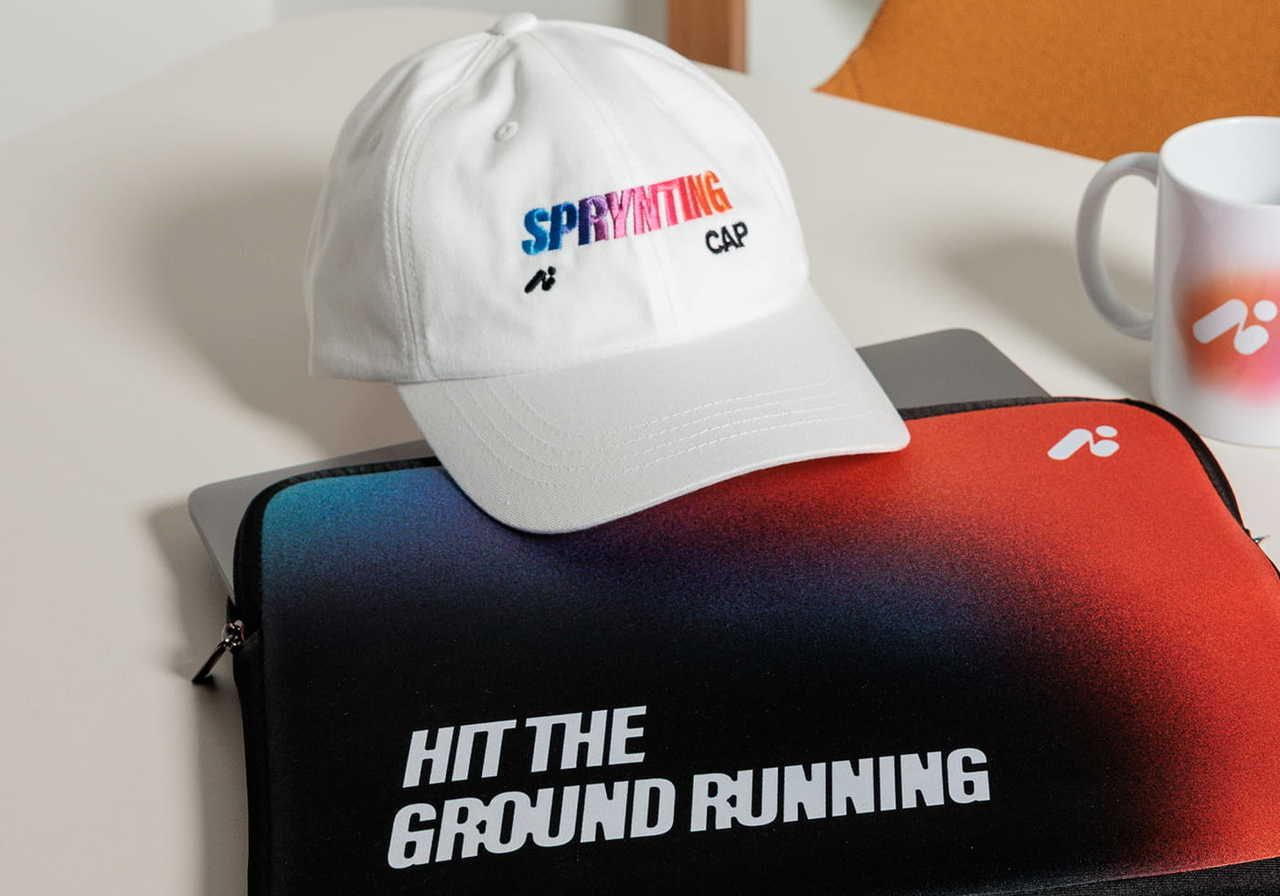
Your visual identity is the look and feel that sets your clothing brand apart. This includes things like your color scheme, logo, and fonts. But more than that, it’s the overall feeling these components create for customers when they think about your brand.
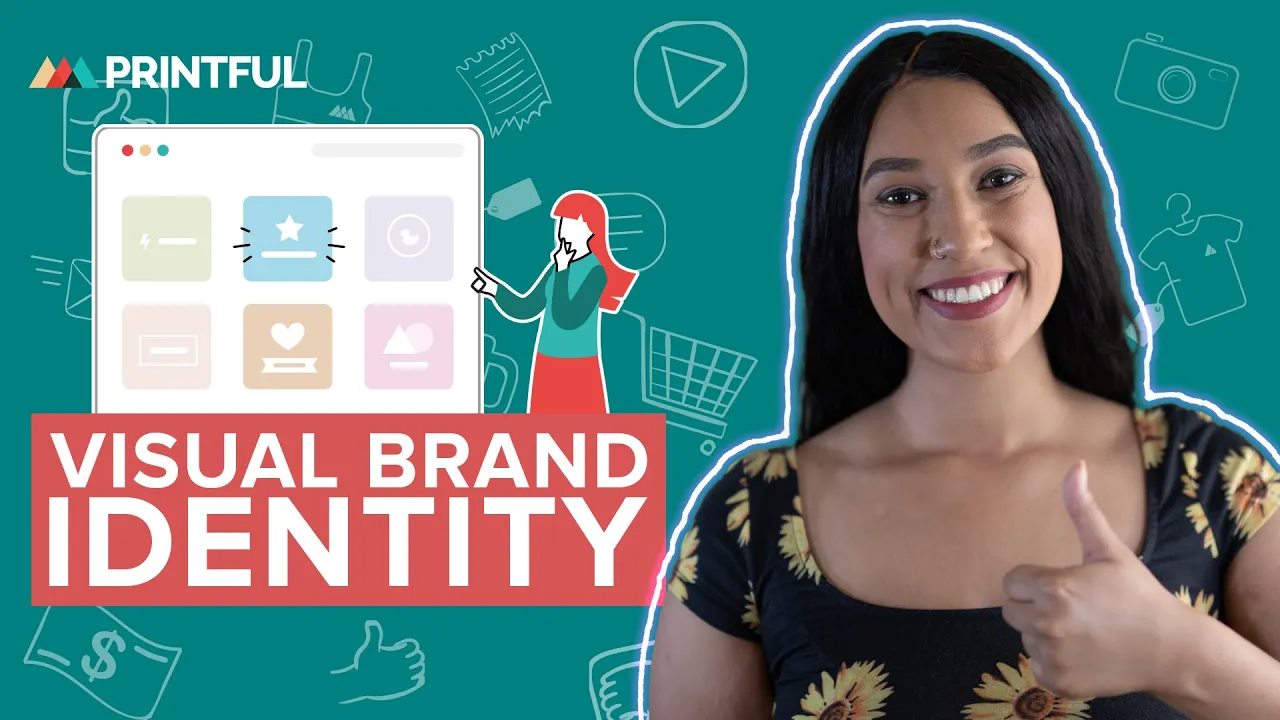

Choose a style that reflects your niche and values, like bold colors and edgy fonts for streetwear or soft tones and simple layouts for eco-friendly apparel.
Once you’ve chosen your visual branding elements, stay consistent across all platforms.
Website presentation affects trust, too. People quickly evaluate credibility through visual design, including layout, typography, images, and consistency.
Check that your visual system works on phones as well as desktop. Mobile devices accounted for over 51% of worldwide web traffic – effectively half of visits.
5. Design and sample your products
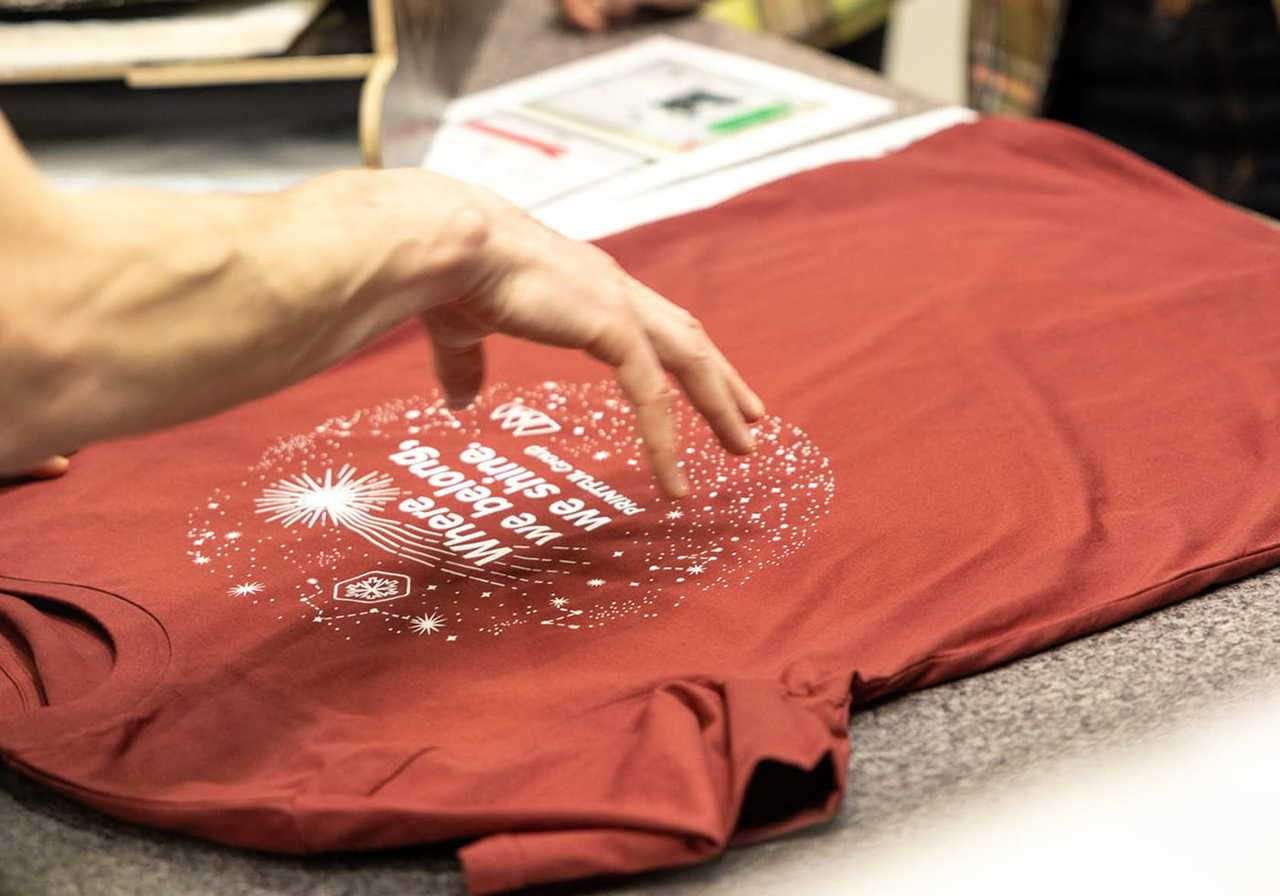
With your fashion brand and business plan in place, it’s time to build your clothing line.
Learn more: How to start a kids’ clothing line
Create your own clothing designs and mockups
To develop a successful clothing line, study fashion trends through magazines, social media, or fashion shows. Pay attention to the designs your customers might like and compare them to your fashion line ideas.
-
Browse publications like Vogue or GQ to spot emerging styles, colors, and fabrics
-
On social media, follow trend-focused accounts and hashtags like #fashiontrends, #streetstyle, or #styleinspo
-
Watch what influencers in your niche are wearing
Whenever you spot a trend you like, ask yourself: How can I adapt these ideas for my audience?
Save several design ideas, then sort them according to what actually fits your audience. A trend may look good on Pinterest and still be completely wrong for your potential customers.
Design your graphics to fit the specific items in your clothing line. For example, embroidery on caps has different design limits than printing on t-shirts or hoodies.
Think about placement, sizing, and how the design will look on each product. Use software like Adobe Illustrator or Printful’s free Design Maker to create your designs.
Only use artwork you own or have the rights to. Logos, characters, and lyrics from other brands can get your listings pulled or land you in legal trouble.
Check each garment individually. A chest graphic that looks balanced on a t-shirt may need different dimensions on a hoodie, crop top, or oversized style. Your design ideas should adapt to the product instead of forcing every item into the same template.
Once your designs are ready, create mockups to see how they’ll look on actual products.
Use mockups as temporary product images to launch your store quickly. They’re faster and cheaper to make than real photoshoots – simply swap them out for real photos once you have the time and budget.
The quality of your design is one of the most critical factors in how well your clothing looks in real life. Learn more about how to prepare the perfect print file.
Start with one hero product
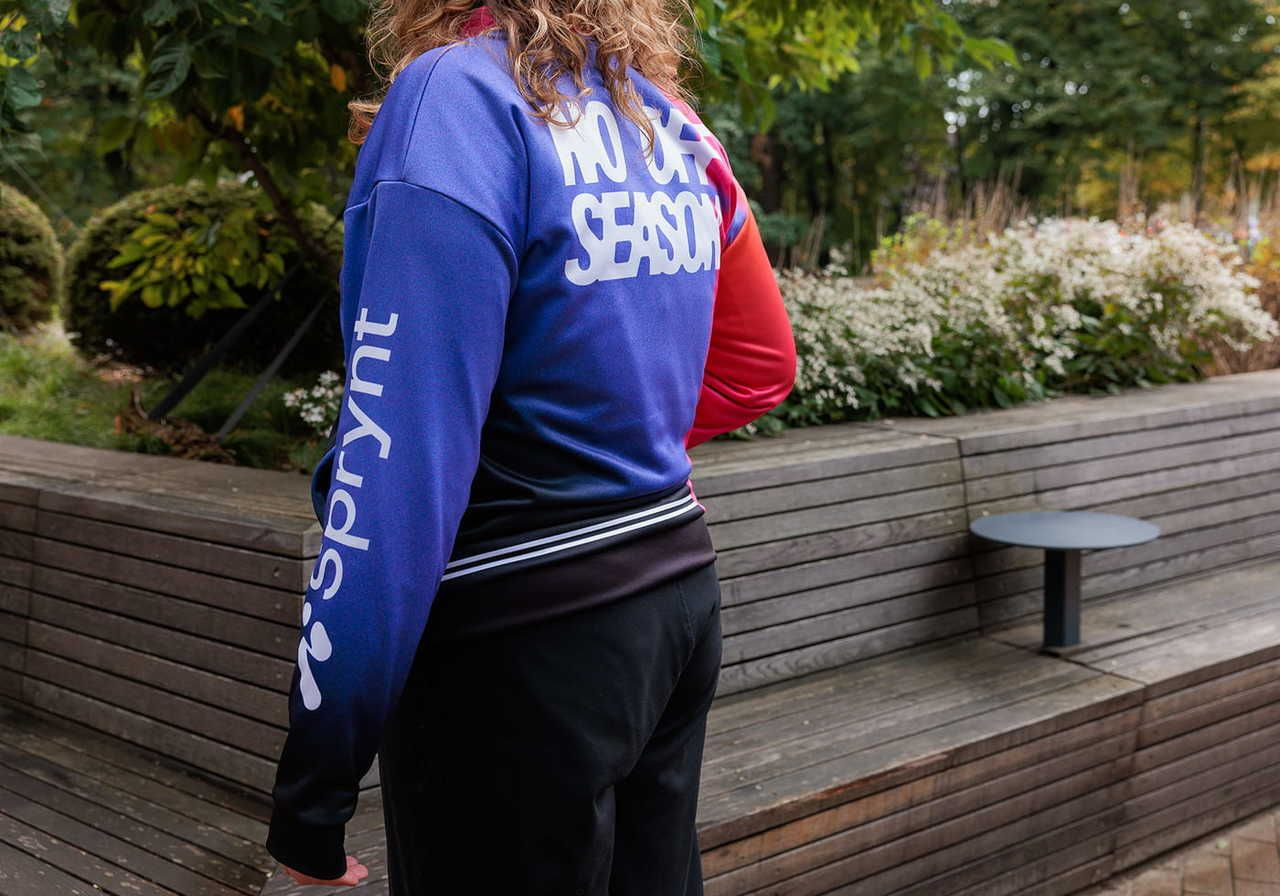
A hero product is the item that expresses the brand’s concept most clearly and has the strongest chance of attracting buyers. For many new brands, the safest strategy is to build the first launch around one hero product.
Instead of 20 loosely related pieces, you focus on one heavyweight tee, one embroidered hoodie, one pair of leggings, or or another single standout garment.
Starting with a hero product helps you:
-
Spend less on samples and photography
-
Give your organic content one clear focus
-
Compare a smaller set of design ideas
-
Learn which colors and styles people respond to
-
Place small orders if you use traditional sourcing
-
Get your first order before you sink money into inventory
-
Build confidence from real sales data before you expand
In reality, a giant debut collection can make it harder to tell why something sold or didn’t. One focused product gives you cleaner information.
Order and test samples
If you use a POD service like Printful or work with a clothing manufacturer, test your product designs in real life before you start selling them to customers.
Sample orders cost a little upfront, but they save money long term. They let you tweak the design or adjust your product descriptions before you start selling.
Sampling catches mistakes before they reach your customers and create actual damage.
Check every sample for:
-
Fit and measurements
-
Fabrics – weight, stretch, texture, opacity, and feel
-
Print or embroidery placement
-
Color accuracy
-
Stitching and construction
-
How the garment looks after washing
-
Packaging
-
Shipping time and tracking
-
Whether the real product matches the listing and mockup
Wear the sample yourself or give it to someone in your target group. Photograph it from several angles and record anything you didn’t expect.
With traditional suppliers, send corrections back before approving the next sample. With POD, test another blank or decoration method if the first result doesn’t match your needs.
Samples also let you test the entire order experience, which helps you confidently market your products and provide a smooth customer journey.
Pro tip: An activewear launch needs extra-careful sampling. People buy it to move in, so stretch, recovery, opacity, and fit decide whether they come back for more. Test all four before you sell.
Ready to see your design in person? Order a sample from Printful.
6. Launch small, then develop your clothing line
You don’t need a large collection on day one. For new brands, a tight first launch with a hero product and a few connected styles reduces inventory exposure and makes the results easier to read.
If POD fits your model, launch without buying finished stock in advance. With traditional sourcing, consider the smallest run your supplier can produce at a price within your budget.
After the launch, review:
-
Which product generated the most visits
-
Which size and color sold first
-
Which product people saved or abandoned
-
Which content brought buyers
-
What people asked before buying
-
What caused returns
-
What buyers requested next
Your first launch has one job: turn guesses into reality and give you information for the next release.
Let sales guide growth. Add new products when your numbers back them up.
Once you know what sells, collections keep your clothing brand fresh. For example, a streetwear brand might launch a summer collection featuring custom t-shirts in light fabrics and vibrant colors. In contrast, a winter collection could focus on cozy custom hoodies made from thicker materials.
For inspiration, research trending products, check out the latest social media buzz, see what’s hot in fashion shows, or ask your customers what they’d like.
7. Set up an online clothing store
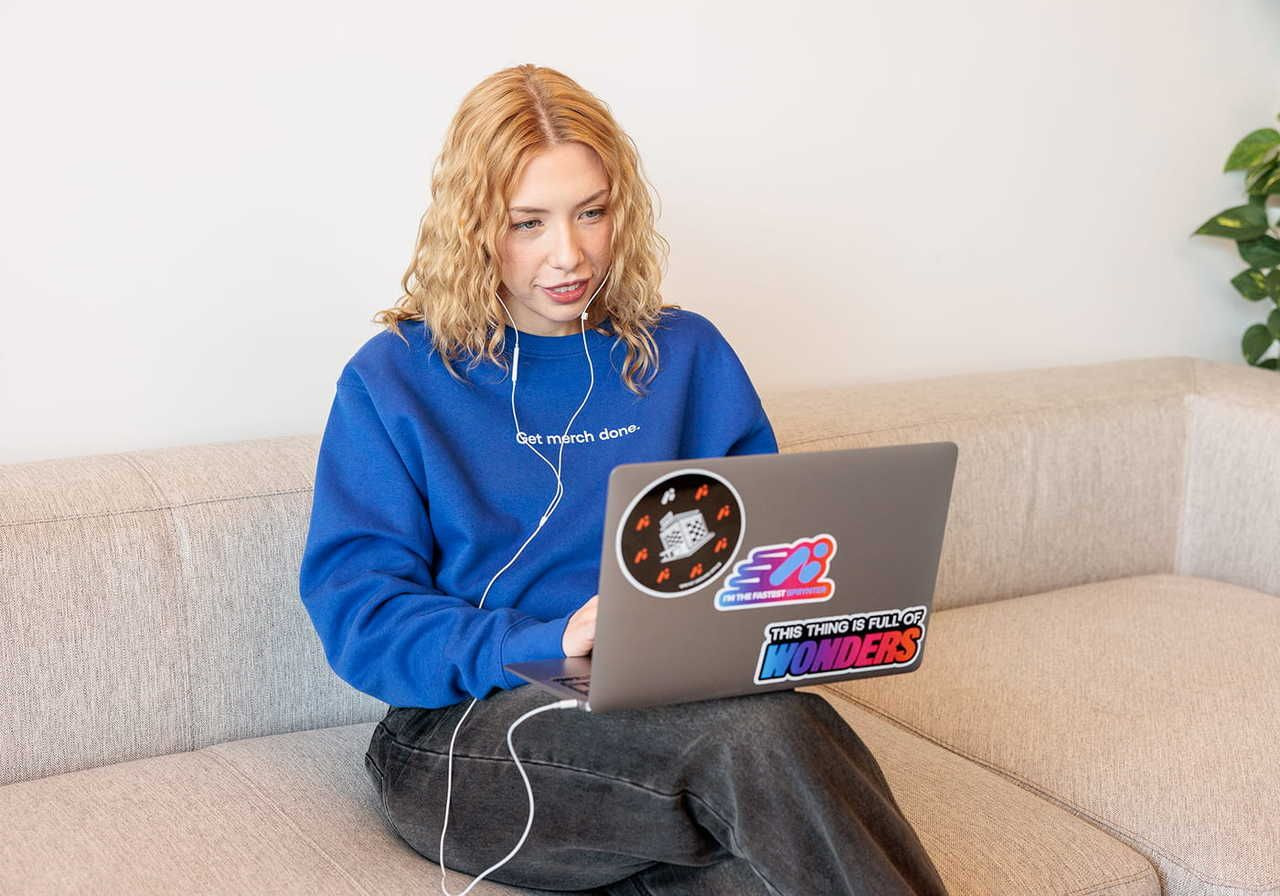
Launching an online clothing store involves several key steps. First, choose an eCommerce platform or a marketplace that aligns with your needs and budget. Consider factors like ease of use, customization options, and built-in features that help you manage your online clothing store.
-
An eCommerce platform, e.g., Shopify or WooCommerce, lets you create your own online store with a professional website. You get to control the branding, layout, and customer experience.
-
An online marketplace, like Amazon or Etsy, is a website where multiple sellers list and sell their products. In a marketplace, your products are displayed alongside competitors’. There’s less control over branding and customer experience, but you unlock access to the marketplace’s customer base.
Valuable read: How to start an online clothing store
Add products to your store
Next, add products to your online store. Organize your products into clear categories – this helps shoppers find what they want fast.
Write detailed product descriptions that include sizing, materials, and care instructions. These details reduce returns, build trust, and improve your clothing brand’s credibility.
For each product, make these details easy to find:
-
Size chart and fit notes
-
Fabrics and material composition
-
Care instructions
-
Product photos from several angles
-
Shipping estimate
-
Return and exchange policy
-
Decoration or manufacturing details, when relevant
Add photos and videos of your products
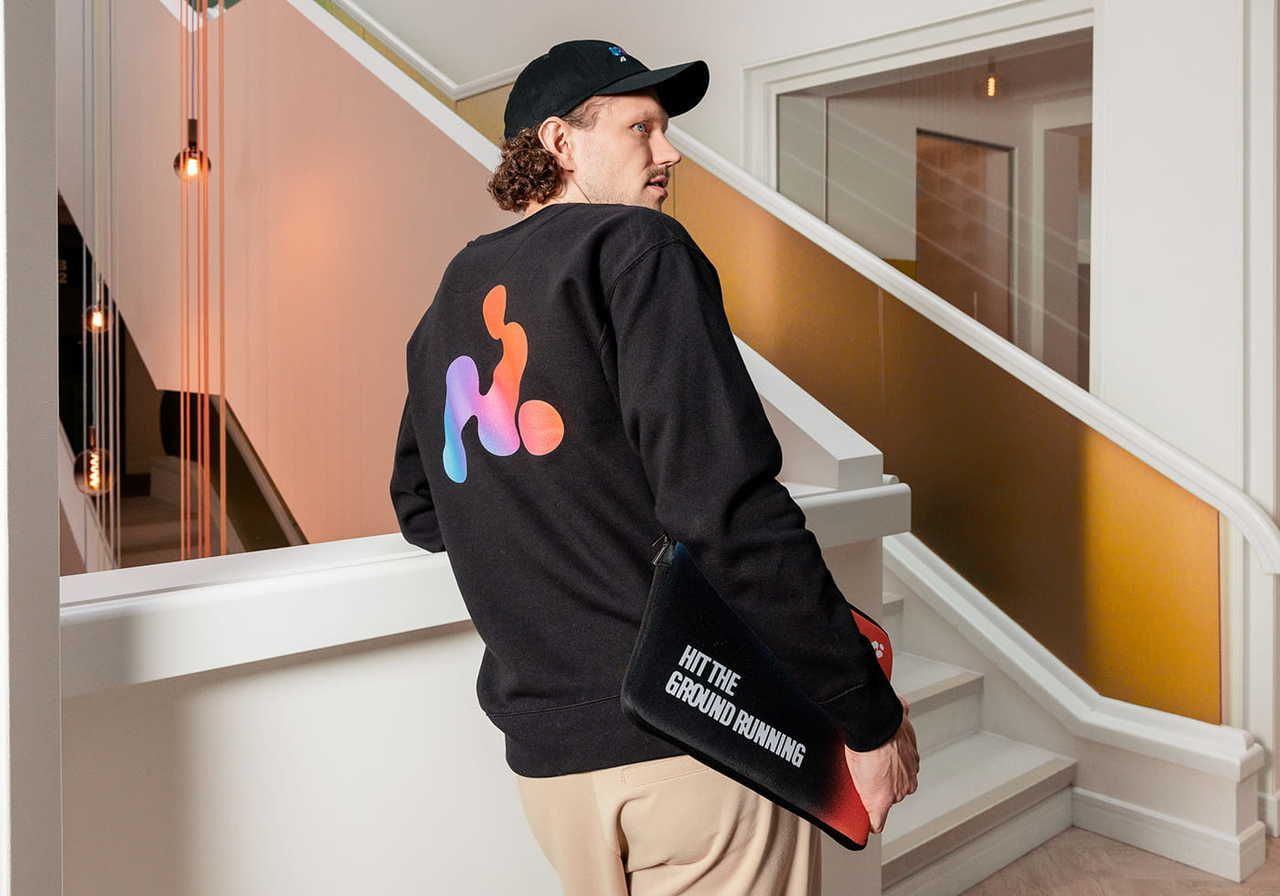
High-quality visuals help customers understand what they’re buying before they commit. Use mockup tools like Printful’s Design Maker to create product images quickly.
If you’re doing a photoshoot, ensure your photos and videos highlight the products properly, so potential customers understand what they’re buying. Online, your photos and videos do the job a fitting room does in a physical store.
8. Market your clothing brand online
Growing your customer base takes consistent work. A marketing and sales strategy helps you plan how customers will discover your fashion brand, how you’ll encourage them to buy, and the methods you’ll use to keep them coming back.
Build an audience before the launch
Don’t wait until launch day to start posting. Organic content gives people time to discover the concept, follow the process, and become familiar with the product before you ask them to buy.
During development, share:
-
Design ideas and moodboards
-
Sample arrivals and revisions
-
Fabrics and close-up product details
-
Behind-the-scenes photos
-
Packaging tests
-
Founder updates
-
Polls about colors or styles
-
Launch countdowns
-
Email signup links
Invite followers to join your email list before the launch. Email is a direct channel for announcements, early access, restocks, and follow-up messages without depending entirely on a social algorithm.
A pre-launch audience also gives you early signals. If nobody clicks, comments, saves, joins the list, or asks questions, that’s your cue to rethink the product before you spend more on it.
Social media marketing
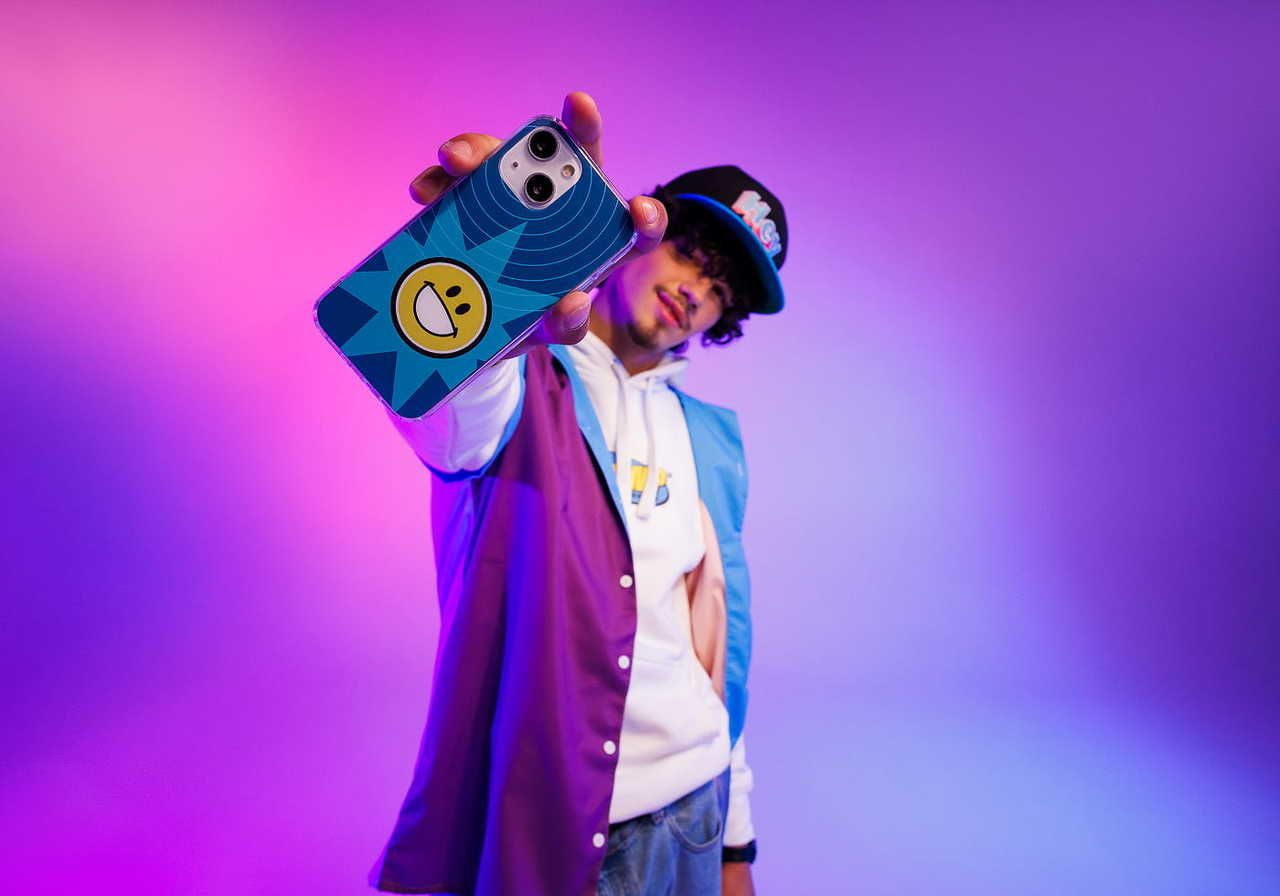
Social media platforms like Instagram, Facebook, TikTok, and Pinterest are powerful tools for connecting with your audience. Set up business accounts to showcase your products and interact with potential customers. Focus on the platform where your target audience spends the most time.
-
Align your branding, tone, and visuals across all platforms. Engage with your followers by sharing posts, stories, and reels and responding to comments and messages.
-
Use social media content to tell your brand’s story, show behind-the-scenes content, and connect with people on a personal level.
Reviews and testimonials are crucial for building trust. To create credibility, make sure to feature these on your social profiles.
Paid advertising
Paid ads help you reach new customers. Start by learning the basics of ads on platforms like Instagram, Facebook, Pinterest, and Google. Each platform offers different ad types, so find out which works best for your audience – photo, video, or carousel ads.
Start with a test budget to determine what resonates with your audience. Try different visuals, messages, and calls to action to see what drives the best results.
Tools like Canva will help you create eye-catching ads easily. As you learn what works, scale your spend on the most effective campaigns to maximize your results.
Track your ads’ performance so you can optimize them over time. Fine-tune your campaigns to get the best possible results without wasting money.
Read more: Facebook advertising: A complete guide
Online communities
Whether it’s Facebook groups, fashion forums, or niche subreddits, these spaces attract people with shared interests who could become loyal customers.
Joining and actively participating in these communities allows you to engage with your target audience more authentically. However, avoid hard selling. Focus on being helpful by offering style advice or sharing insights about the fashion industry. Over time, this will establish your brand as trustworthy and approachable.
Consider building your community through a private Facebook group or an email newsletter to gather like-minded people interested in your brand, share exclusive content, and nurture a stronger connection with your audience.
Learn more: 10 Effective ways to market a product
9. Sell offline
Even if you primarily sell online, local fairs, pop-up markets, or fashion events are a great opportunity to make extra sales and build brand awareness.
Selling in person helps you connect with your community. These events often attract people looking for something original, which is ideal if you offer custom apparel. It’s not just about sales – it’s also a chance to get a feel for local trends and see people interact with your brand in real time.
Pop-up shops can be fun to test the waters without committing to a permanent physical store.
Bring a focused selection rather than every product you’ve ever made. In-person reactions can expose the difference between what photographs well and what people actually want once they touch the item.
10. Learn from successful businesses
One of the best ways to grow is by learning from another successful clothing brand. Study how established businesses operate to gain valuable insights into what works and what doesn’t. Use that to avoid common pitfalls and fast-track your growth.
Here are some successful apparel businesses to inspire you.
Prideletics
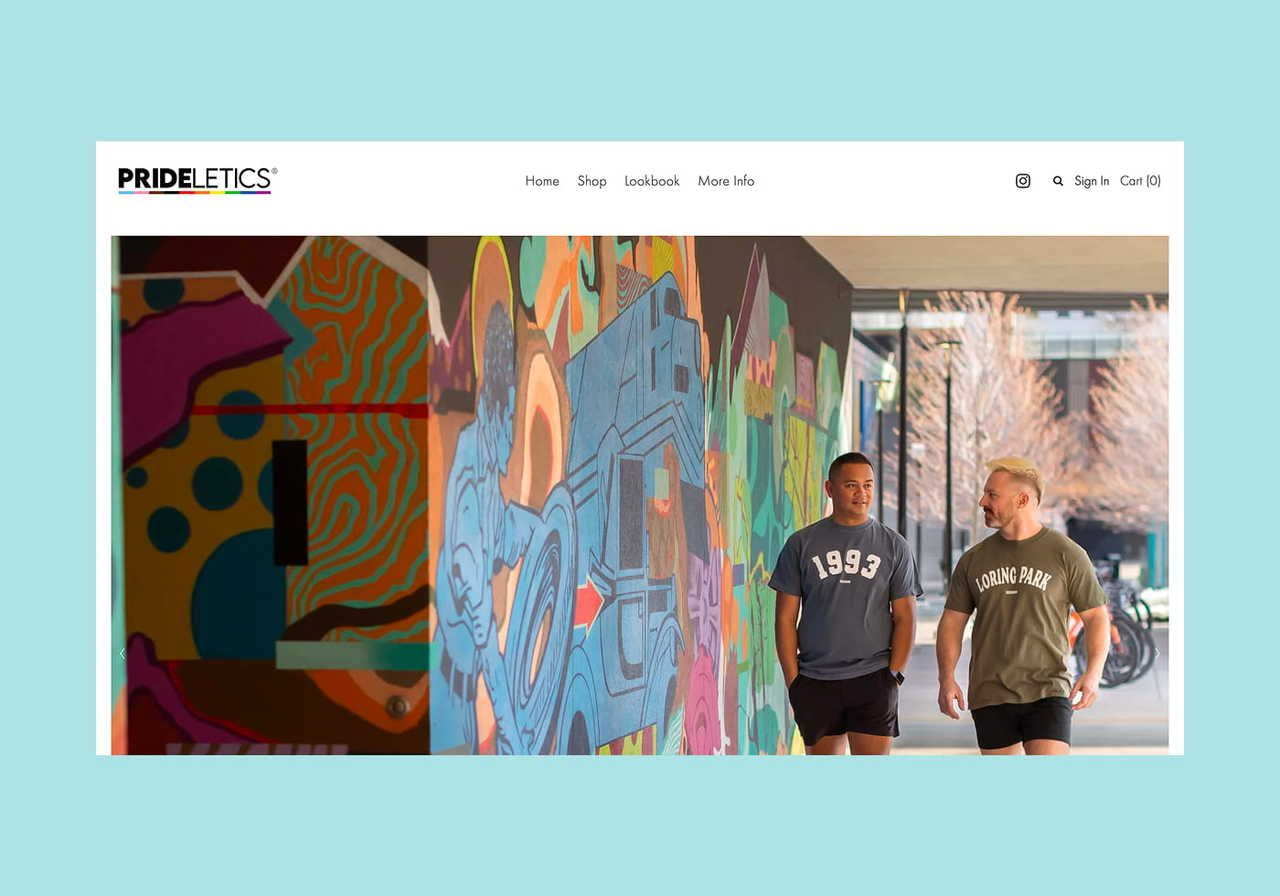
The core concept of the sportswear brand Prideletics is reflected in its name, combining the words pride and athletics. The brand celebrates diversity and inclusion through its custom designs, which almost all sport the pride flag. The brand also collaborates with charities, creating special-edition designs and donating part of the profits.
Umai Clothing
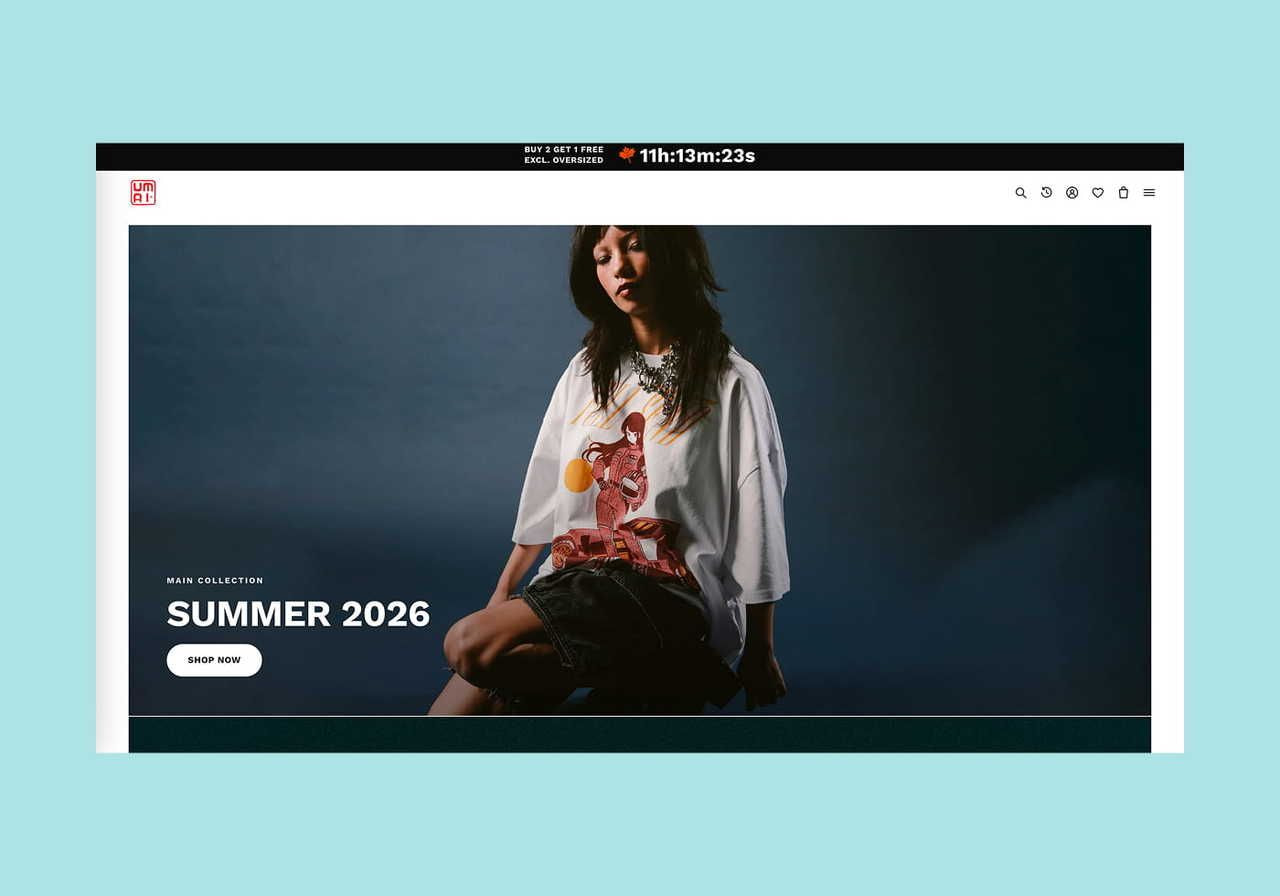
Umai Clothing is a great example of how to turn your passion and talents into a clothing business. What started as an artist’s interest in anime and Japanese streetwear became a brand with a clear style and strong identity. It shows that with consistency and a focused vision, it’s possible to build something that stands out.
Related article: 15 Successful print-on-demand store examples and what to learn from them
It’s time for your first launch
Learning how to start a clothing business online is just the first step.
Start focused, test your products, listen to your audience, and use real sales data to guide what comes next. Print on Demand lets you launch without upfront inventory, while Printful handles production and fulfillment.
Build from your first orders, refine what works, and grow your clothing line at a pace your demand supports.
Frequently asked questions
Costs depend on your production method, products, and order size. Traditional production costs include samples, inventory, freight, storage, and packaging. POD reduces upfront costs because items are made after each order. Calculate product, platform, shipping, returns, and marketing costs before deciding how much money you need.
No. An LLC is a US business structure, not a requirement for every founder. The legal structure that matters depends on where you operate. Research local registration, tax, licensing, and liability rules, then choose the structure that fits your ownership, risk, and growth plans.
Activewear, basics, niche apparel, and accessories can all perform well when demand and margins support them, but there’s no single most profitable category. The point is to compare product cost, selling price, repeat-purchase potential, competition, and returns before choosing what to sell.
Not completely, but POD can keep startup costs low. You can design products without buying inventory or equipment, but you may still pay for samples, a domain, eCommerce fees, or marketing. Your first orders can then fund further development.
Starting is manageable, especially with POD, but building consistent sales takes work. You need to test products properly, understand your audience, price accurately, and market consistently. Early mistakes are normal. Treat them as information and use each result to build more confidence in your decisions.
Start with your niche, values, audience, and brand story. Brainstorm words connected to them, combine your strongest options, and check trademarks and domain availability.
Test the shortlist with potential buyers before committing. Your name and logo should work together and still make sense as the product range grows.
No. You need a strong clothing line concept, an understanding of your target market, and a willingness to learn. Be realistic about what you’re capable of doing yourself.
A designer, manufacturer, illustrator, pattern maker, or marketing specialist can provide professional support during parts of the process that require skills you don’t have.
Start with a defined audience and one focused product. Choose a production model, create designs, order samples, set pricing, build your store, and prepare marketing before launch.
The clearest sign of early success is real demand: orders, repeat interest, and feedback you can use to improve the next release.

Zane is a sharp-witted writer with a deep interest in eCommerce, branding, and creative entrepreneurship. With a knack for blending humor, insight, and no-nonsense advice, she crafts engaging content that helps merchants learn and businesses grow. When she’s not dissecting industry trends, she's exploring philosophy, music, and the perfect balance between solitude and connection.

